




How To Trim Buds After Harvest: Hand-Trimmed vs Trimmers
Posted by Tom's Tumbler on Mar 30th 2023
When it comes to post-harvest processing, one of the biggest decisions cannabis operators face is how to trim their flower. Should you hand-trim each bud for precision, or invest in a trimmer to boost speed and scalability? And how do bladeless trimmers fit into the picture?
The truth may surprise you! Many industry experts agree that with the right machine, there’s little to no difference in quality between hand-trimmed and machine-trimmed flower. Let’s break down why trimming matters and how today’s technology makes it easier than ever to maintain quality while saving time and money.
Why Trimming Matters in Commercial Cannabis Cultivation
Trimming is a critical part of the curing process that can directly impact your profitability. Poorly trimmed buds are less likely to sell while well-trimmed flower:
- Increases bag appeal by removing unwanted leaves and plant matter.
- Enhances potency and smoothness by preserving trichomes and minimizing harsh material.
- Improves consistency across batches.
Ways to Trim Cannabis Buds
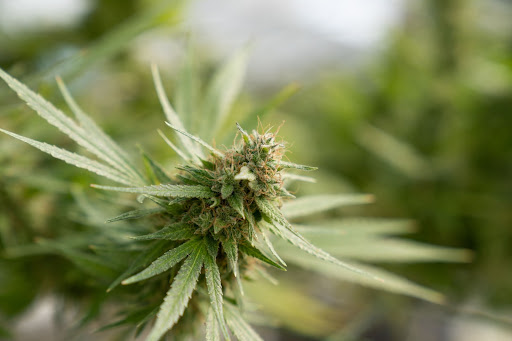
There are two ways to trim cannabis flower: manually or with a machine. One important thing to remember all about machines is that most do 80-95% of the work; none are 100% solutions, typically. For example, some crow’s feet often remain for quick final touch up. But machine trimming allows you to most of the work done, leaving you only brief work for the final touch up.
How To Manually Trim
Professional trimmers give buds what is essentially a flattering haircut. The usual technique is to hold the bud by the main stem with one hand and slowly rotate it while clipping with the other hand. Speed and accuracy come with experience.
Many professional trimmers use hand clippers and similar devices. Because it is the slowest and most labor-intensive way to trim flower, hand trimming is not suitable for industrial-scale post-harvest processing.
How A Bladed Trimmer Trims Buds
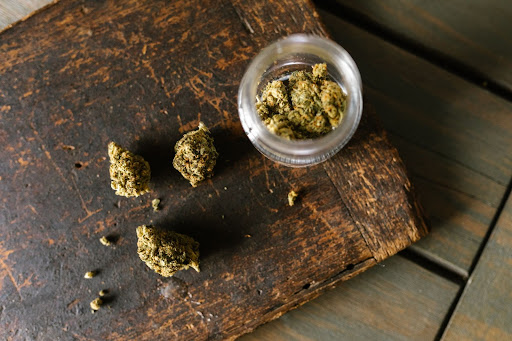
Bladed machines are a common method of how to trim buds after harvest. They utilize a small diameter metal tumble chamber with a very loud dust collector pulling the sugar leaves and parts of flower (including trichomes and crystals) through the metal mesh as the flowers tumble and travel down the cylinder. Spinning rotary blades on the outside cut anything that gets sucked past the mesh, which gives the flower a rounded machined bald look with minimal trichomes left. No one wants that!
Bladed Trimmers: Fast but Risky
Traditional bladed trimmers use spinning rotary blades and suction to cut away sugar leaves. While they dramatically speed up production, they also come with tradeoffs:
- Trichome loss: The cutting action can strip away valuable trichomes and cannabinoids.
- Harsh aesthetics: Buds can look overly rounded or “bald,” reducing bag appeal.
Noise and wear: Bladed systems are loud, require frequent maintenance, and can damage delicate flower.
For many operators, the drawbacks outweigh the speed benefits. This is especially when flower quality and appearance drive revenue in our modern cannabis market.
How Do Bladeless Bud Trimmers Work?
Mesh tumbler trimmers operate by tumbling buds against a mesh surface and into each other. This motion gently rubs the excess biomatter off of the underlying flower while preserving surface crystal content and collecting pollen at the same time.
Mesh bladeless tumblers can process hundreds of pounds of flower a day. For the most efficient operation, flower should be dried to the right moisture content. Bladeless tumbler trimmers need an ideal moisture content of 10-12%. This leaves the sugar leaves brittle so they fall off when tumbling with other buds with minimal loss of trichomes or crystals.
Bladeless Trimmers: Gentle, Efficient, and Scalable
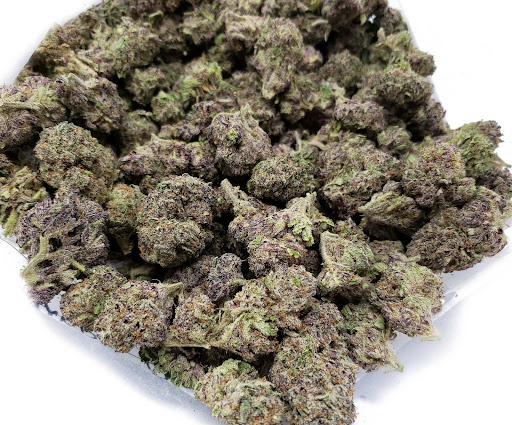
Bladeless trimmers like ours have changed the trimming game. Instead of using blades, these machines gently tumble buds against a mesh drum, removing excess sugar leaves while preserving trichomes and structure.
This method replicates the soft touch of hand trimming without the hours of manual labor. Bladeless trimmers can process hundreds of pounds of flower per day while maintaining consistent, high-quality results.
Key advantages of our bladeless trimmers:
- Preserves trichomes and flavor
- Cuts trimming labor by 50–60%
- Handles wet or dry trimming
- Scales easily for commercial operations
- Best for: Operators looking for speed, consistency, and quality preservation at any production scale.
How Do Bud Trimmers Work With Different Strains?
Flower grown in different conditions may have different structures, and the colas may have different shapes. Different strains present little problem to manual trimmers. They merely adjust their process.
Learning how to trim buds after special harvests with a bladed trimmer is usually a matter of adjusting the grid or cutting surface. It can be a trial-and-error process. The bladeless tumbler trimming process depends on moisture content, so an adjustment to the drying room should be all that is required.
Explore Post-Harvest Processing Solutions at Python Industries
If you’re managing large harvests and need reliable, scalable trimming equipment, Python Industries has you covered. Our bladeless tumble trimmers are designed for growers to deliver fast and effective trimming that boosts your bottom line. Our Mighty Python is the industrial, continuous feed version of our tumblers, using stainless steel to handle industrial-size volumes.
From small farms to industrial facilities, we offer affordable, efficient post-harvest solutions that protect the integrity of your flower and maximize your profit margins.
Contact our team today for a demo or to find the right trimmer for your operation.